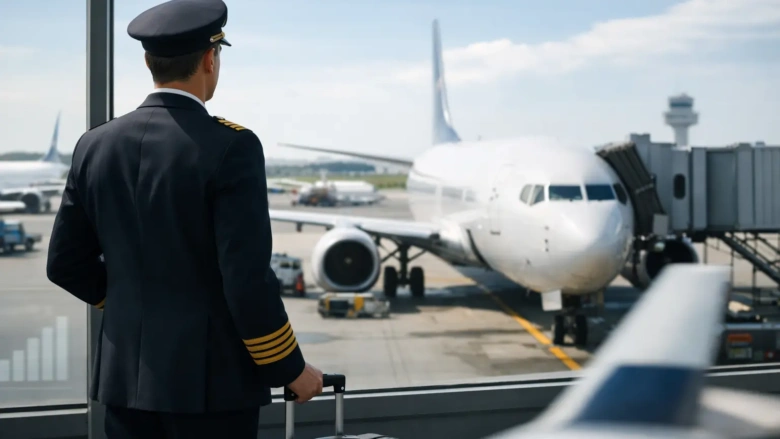
A first flight lesson should not feel like a theme-park ride with a headset. The best intro flight lesson experiences put you in the left seat of a real training aircraft, show you how pilots make decisions, and give you meaningful time on the controls. For some people, that first takeoff confirms a lifelong goal. For others, it offers a clear, honest look at whether flight training is the right next move.
The difference comes down to more than the view. Aircraft condition, instructor quality, airport environment, weather planning, and the school’s ability to explain what happens after the lesson all shape the experience. A well-run introductory flight gives you a memorable day and a practical starting point for serious training.
What a Quality Introductory Flight Lesson Includes
An introductory lesson is usually designed for someone with little or no flying experience. You meet your instructor, complete a short preflight briefing, inspect the aircraft together, fly with the instructor, and discuss what you learned afterward. The instructor handles the responsibilities that require experience while introducing you to the basic control inputs and procedures used in real flight training.
Expect the briefing to cover the airplane, the planned route or practice area, basic cockpit instruments, safety procedures, and how the controls work. This part matters. When an instructor explains why a preflight inspection is performed or how wind affects a takeoff, you are seeing the discipline behind aviation, not just the exciting parts.
Once airborne, many first-time students have the opportunity to practice straight-and-level flight, gentle turns, climbs, and descents. Depending on conditions, the instructor may demonstrate additional maneuvers and talk through radio communication, navigation, and traffic awareness. You do not need prior knowledge to participate. You do need an instructor who can make the experience understandable without treating it casually.
The lesson typically ends with a debrief. This is where a strong school separates a one-time ride from an educational experience. You should leave knowing what went well, what a typical pilot-training path looks like, and what the next lesson would build on if you choose to continue.
How to Compare the Best Intro Flight Lesson Experiences
The right experience depends on what you want from the day. A gift recipient may value an inspiring, low-pressure introduction. A college student considering an aviation career may need a closer look at training standards, fleet availability, and the path to professional certificates. Both deserve a safe, well-organized lesson.
Look for a real training environment
A discovery flight in an aircraft used for regular instruction gives you a better sense of the training experience ahead. The airplane does not need to be luxurious. It should be maintained to professional standards, equipped appropriately for its role, and operated by a school that treats the flight as the first step in aviation education.
Modern avionics, including Garmin-equipped flight decks, can help new students understand where they are and what the aircraft is doing. Still, technology is not a substitute for teaching. A good instructor uses the displays to support situational awareness while helping you learn the fundamentals: visual references, control coordination, airspeed, altitude, and sound judgment.
Ask who will be in the right seat
The instructor can make a first lesson feel either intimidating or achievable. Look for a certificated flight instructor who communicates clearly, stays calm, and adapts the pace to a first-time flyer. The best instructors do not overload you with terminology. They explain enough to keep you involved, then connect each concept to a real pilot skill.
If you are exploring aviation as a career, ask about the instructor team and the school’s training culture. Instructors who understand the progression from private pilot through instrument, commercial, and instructor certificates can offer more useful context than someone focused only on a single introductory flight.
Consider the airport and local airspace
Airport location changes the lesson. Training near busy or complex airspace can provide a valuable introduction to professional radio work, traffic management, and controlled-airport procedures. A less congested setting may allow more uninterrupted time practicing basic maneuvers. Neither is automatically better.
In Riverside, San Bernardino, and Los Angeles County, pilots train around varied terrain, changing weather patterns, and airspace ranging from quieter practice areas to highly active corridors. That variety can make an introductory lesson especially revealing for prospective students. It shows that aviation is both exciting and methodical.
Confirm how much flight time is included
Read the lesson description carefully. Some introductory packages include a fixed amount of airborne time, while others combine briefing, aircraft time, and debriefing into one total block. There is no universal best duration, but a rushed lesson can leave little time for actual flying after startup, taxi, and airport procedures.
A shorter first lesson may be ideal for a person who is unsure about motion sensitivity or simply wants to experience flight. Someone evaluating a pilot career may benefit from a longer session that allows time for a fuller briefing and more hands-on practice. Ask what is included before booking, including whether the school charges separately for instruction, aircraft time, or fuel-related fees.
Safety Is Part of the Experience, Not a Footnote
The most impressive introductory flights are not the ones that promise the most dramatic maneuvers. They are the ones that show disciplined preparation. You should see a thoughtful weather review, a complete preflight inspection, seat belt and emergency briefings, and clear decision-making about whether conditions are suitable for the lesson.
Weather is a real factor in flight training. Wind, low visibility, turbulence, heat, and cloud cover can require a lesson to be delayed, modified, or rescheduled. That can be disappointing when you have planned a special day, but it is also a sign that the school is operating with the right priorities. Professional pilots do not force a flight to fit a calendar.
If a school cancels or adjusts a flight for weather, pay attention to how it communicates. A clear explanation, reasonable rescheduling process, and willingness to answer questions are all signs of a mature training operation.
Choose an Experience That Matches Your Goal
Not every first flight has to lead to a pilot certificate. An introductory lesson can be an exceptional birthday gift, a personal challenge, or a way to better understand a family member’s aviation career. In those cases, the goal is to create a memorable, comfortable experience while offering a genuine view from the cockpit.
For a future professional pilot, the lesson should also answer bigger questions. Do you enjoy the pace of cockpit learning? Are you comfortable with procedures and repetition? Can you picture yourself committing time and resources to a structured program? The answers do not have to be perfect after one flight. They simply need to be honest.
A school with Part 141 training, ground school options, simulators, and a clear certificate pathway can be especially helpful if the answer is yes. You are not just asking whether you like flying. You are evaluating whether the school can support consistent progress from the first lesson through advanced ratings.
Questions Worth Asking Before You Book
Before selecting an introductory lesson, ask whether you will receive a preflight briefing, how much time you can expect in the air, and whether you will have an opportunity to handle the controls. Ask what aircraft you will fly and whether the instructor will explain training options after the lesson.
It is also reasonable to ask about scheduling flexibility, weather policies, weight or seating considerations, and what to wear. Comfortable clothing, closed-toe shoes, sunglasses, and a light layer are usually practical choices. Avoid treating the day like a formal photo session. You will be climbing into an aircraft, using a headset, and moving around during the preflight.
If you are purchasing a gift certificate, consider the recipient’s schedule and comfort level. A gift with flexible redemption is often more useful than locking someone into a narrow date window. The best gift is not just a flight – it is an invitation to see whether aviation belongs in their future.
Make the First Lesson Count
Arrive rested, eat a light meal, and give yourself enough time to avoid feeling rushed. Tell your instructor if you are nervous, prone to motion sickness, or especially interested in a particular aspect of aviation. A professional instructor would rather know that information early and tailor the lesson appropriately.
Bring curiosity rather than expectations of perfection. Your first lesson is not a test. It is an opportunity to notice how the airplane responds, how much coordination flying requires, and how satisfying it feels when a small input produces a precise result.
Riverside Flight Academy approaches introductory lessons as the beginning of a real aviation conversation. Whether your next step is another lesson or a long-term professional training plan, choose an experience that leaves you more informed, more confident, and eager to learn what the next flight can teach you.