A pilot’s first view of a twin can be memorable: two propellers, two throttles, more performance, and a cockpit that looks closer to the aircraft used in charter and corporate operations. But the single engine versus twin engine decision is not about choosing the more impressive airplane. It is about selecting training that matches your current certificate, budget, mission, and professional direction.
For most new pilots, a single-engine airplane is the right starting point. For pilots building toward commercial flying, a multi-engine rating can be a valuable next milestone. The key is understanding what each aircraft category asks of you and what it can realistically do for your aviation goals.
Single Engine Versus Twin Engine: The Core Difference
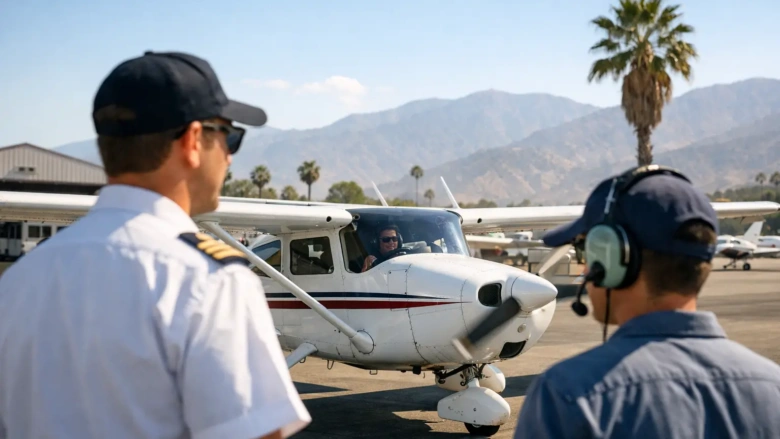
A single-engine airplane has one powerplant, one propeller, and generally simpler systems. The aircraft commonly used for primary training, such as Cessna 172s and Piper Archers, give students a manageable platform for learning the fundamentals: aircraft control, radio communication, navigation, weather judgment, landings, and aeronautical decision-making.
A twin-engine airplane has two engines and adds performance, systems, procedures, and risk-management considerations. It may climb faster, carry more, and offer a degree of powerplant redundancy. Yet that second engine also creates new demands. A multi-engine pilot must understand fuel systems, propeller controls, asymmetric thrust, critical-engine considerations, engine-out performance, and the very real limitations that apply when one engine stops producing power.
The difference matters because a twin is not simply a single with a backup engine. A properly flown twin requires disciplined procedures and accurate control inputs, especially during high-workload phases such as takeoff, go-around, and an engine failure after liftoff.
Why Most Pilots Start in a Single
Primary flight training is already a full workload. New students are building motor skills while learning airspace rules, weather interpretation, checklists, navigation, and sound judgment. A single-engine trainer keeps the airplane itself straightforward, allowing more mental capacity for the skills that every pilot needs.
Single-engine aircraft are also typically more economical to operate. They use less fuel, have fewer systems to maintain, and are more widely available in training fleets. That affects more than the hourly rate. Consistent aircraft access helps students fly regularly, retain skills, and progress without unnecessary retraining. For a student pursuing a Private Pilot Certificate, spending training dollars on repetition and proficiency in a reliable single often delivers more value than starting in a more complex aircraft.
A single-engine certificate is far from limiting. It opens the door to recreational flying, personal transportation, instrument training, commercial training, and flight instructor certification. Many professional pilots complete the majority of their early certificates in single-engine airplanes before adding multi-engine privileges later.
The skills that transfer
Good stick-and-rudder skills, stabilized approaches, checklist discipline, radio work, and weather decision-making transfer directly from a single to a twin. So do the habits that protect pilots throughout their careers: arriving prepared, using standard procedures, respecting aircraft limitations, and making conservative decisions when conditions change.
A strong single-engine foundation makes multi-engine training more productive. Instead of using valuable twin time to relearn basic flight control or navigation, the pilot can focus on the unique performance and emergency procedures of the multiengine aircraft.
What Twin-Engine Training Adds
Multi-engine training is usually pursued as an add-on rating by pilots who already hold at least a Private Pilot Certificate. The course is focused and practical, but it is not casual. The FAA practical test standards require applicants to demonstrate normal operations as well as proficiency with simulated engine failures, engine-out approaches, single-engine go-arounds when appropriate, and performance planning.
The defining challenge is asymmetric thrust. When one engine loses power, the operating engine pulls the aircraft toward the failed side. At low airspeed and high power, that yaw can become difficult to control. The pilot must identify the failed engine, verify the condition, secure it when appropriate, configure the aircraft correctly, and maintain directional control and the proper airspeed. These actions must be decisive, but never rushed.
That is why multi-engine instruction emphasizes the aircraft’s published performance data. A twin may maintain altitude or climb on one engine under favorable conditions, but it may not do so at high density altitude, heavy weight, in turbulence, or with an improper configuration. In some circumstances, a lightly loaded single may offer a more straightforward outcome after an engine failure than a twin operated outside its single-engine performance limits.
This is not an argument against twins. It is a reminder that safety comes from training, planning, proficiency, and sound judgment, not from engine count alone.
Safety: Redundancy Has Conditions
The common belief that two engines are automatically twice as safe is incomplete. A second engine can provide valuable options following a powerplant malfunction, particularly in cruise flight or over terrain where an immediate landing site is limited. That capability is one reason twin-engine aircraft are common in certain business, charter, and advanced operations.
However, twins introduce more complex failure modes and more demanding emergency procedures. Loss of directional control after an engine failure at low speed is among the most serious multiengine hazards. The pilot must know the airplane’s minimum control speed, accelerate-stop and accelerate-go considerations where applicable, and the exact procedures in the aircraft’s approved flight manual.
For the pilot choosing an airplane for personal travel, the practical safety question is broader: Which aircraft can you operate proficiently, within its limitations, in the conditions you genuinely plan to fly? A well-maintained single flown by a current, conservative pilot is not inherently an inferior choice. A twin flown without regular training or a clear understanding of single-engine performance is not automatically the safer one.
Cost and Time: Plan for the Whole Rating
The operating cost difference between single and twin training can be substantial. A twin has another engine, propeller, fuel flow, and a more sophisticated maintenance profile. Its hourly rate is therefore typically higher, and insurance requirements can also affect access and cost.
For a student beginning from zero time, completing private, instrument, commercial, and instructor certificates primarily in single-engine aircraft is often the most efficient path. The multi-engine rating can then be added at the point where it supports a defined goal. For many career-track pilots, that means after earning a Commercial Pilot Certificate, when a commercial multiengine add-on provides the most direct professional value.
There are exceptions. A pilot who already owns or will routinely fly a twin may need multi-engine training sooner. A pilot with a specific employer pathway may also benefit from adding multiengine time earlier. Still, there is little advantage in paying twin-engine operating costs before you have the foundational skills to use that training well.
Multi-engine time versus the rating
Pilots sometimes focus solely on getting the multi-engine rating, but the rating and meaningful multiengine experience are different things. The rating demonstrates that you met a proficiency standard. Building time afterward develops familiarity with varied conditions, aircraft loading, cross-country planning, and real-world decision-making.
For professional applicants, the amount and quality of flight time matter alongside the credential. Requirements vary by employer and job type, so students should build a plan around their intended path rather than collecting ratings without a purpose. Flight instructor training can be especially valuable for pilots who need to build experience while reinforcing their own technical knowledge and teaching ability.
Which Choice Fits Your Goal?
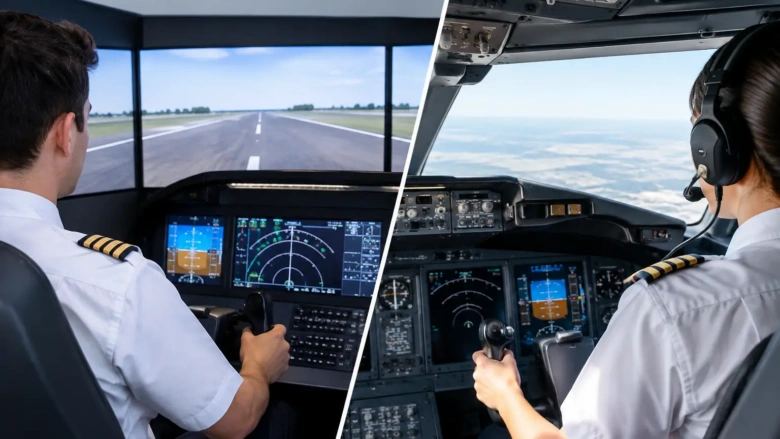
If you are pursuing your first certificate, single-engine training is the clear answer in most cases. It is practical, cost-conscious, and designed to build the skills that support every later rating. A modern training aircraft with well-maintained systems and Garmin avionics can give you a professional foundation without adding unnecessary complexity.
If you are a certificated pilot considering your next move, a twin may be the right investment when it serves a specific mission. You may be preparing for commercial flying, pursuing a job that values multiengine qualifications, transitioning into a twin you plan to fly, or expanding your capabilities for business or family travel. In those cases, structured instruction and regular proficiency training are essential.
At Riverside Flight Academy, the most effective training plans start with an honest conversation about your end goal, current experience, schedule, and budget. The best path is not always the fastest-looking one. It is the one that builds competence at each stage and keeps you moving toward the kind of flying you want to do.
Your next rating should make you more capable, not merely more credentialed. Build the single-engine fundamentals first, add multi-engine training when it has a clear purpose, and keep investing in the judgment that makes either airplane a tool for safe, confident flight.